Oklahoma Odyssey: Antonio's Guide to Unveiling the Heartland's Treasures
Greetings, fellow adventurers and travel enthusiasts! I'm Antonio, and today, I'm thrilled to take you on an unforgettable journey through the heartland of the United States—Oklahoma. Join me as we explore this remarkable state, discovering its hidden gems, vibrant culture, and the awe-inspiring landscapes that define its unique allure.
Nestled in the heart of the country, Oklahoma boasts a rich tapestry of experiences, blending the essence of the Old West with modern charm. Let's start our adventure by delving into the rich cultural heritage that permeates every corner of the state.
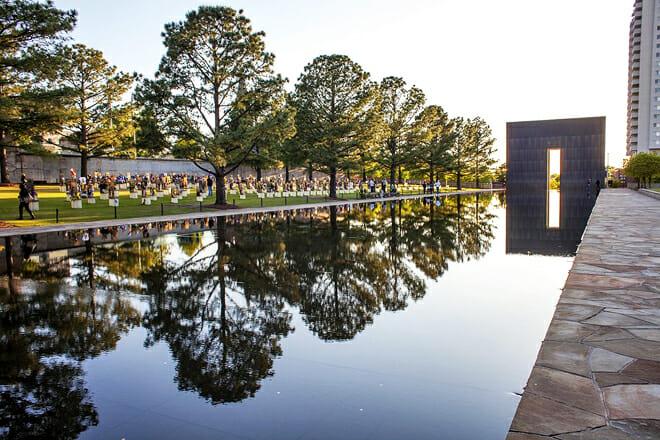
For history buffs, Oklahoma is a goldmine. From the historic landmarks along the Trail of Tears to the stories of the Wild West at the National Cowboy & Western Heritage Museum in Oklahoma City, the state pays homage to its diverse past, offering a glimpse into its storied history and the resilience of its people.
But Oklahoma isn't just about history; it's a land of natural wonders. The serene beauty of the Wichita Mountains Wildlife Refuge, with its rugged terrain and abundant wildlife, invites outdoor enthusiasts to hike, camp, and embrace nature's splendor. And let's not forget the mesmeric allure of the Great Salt Plains State Park, where visitors can dig for crystals and witness stunning sunsets over the salt flats.
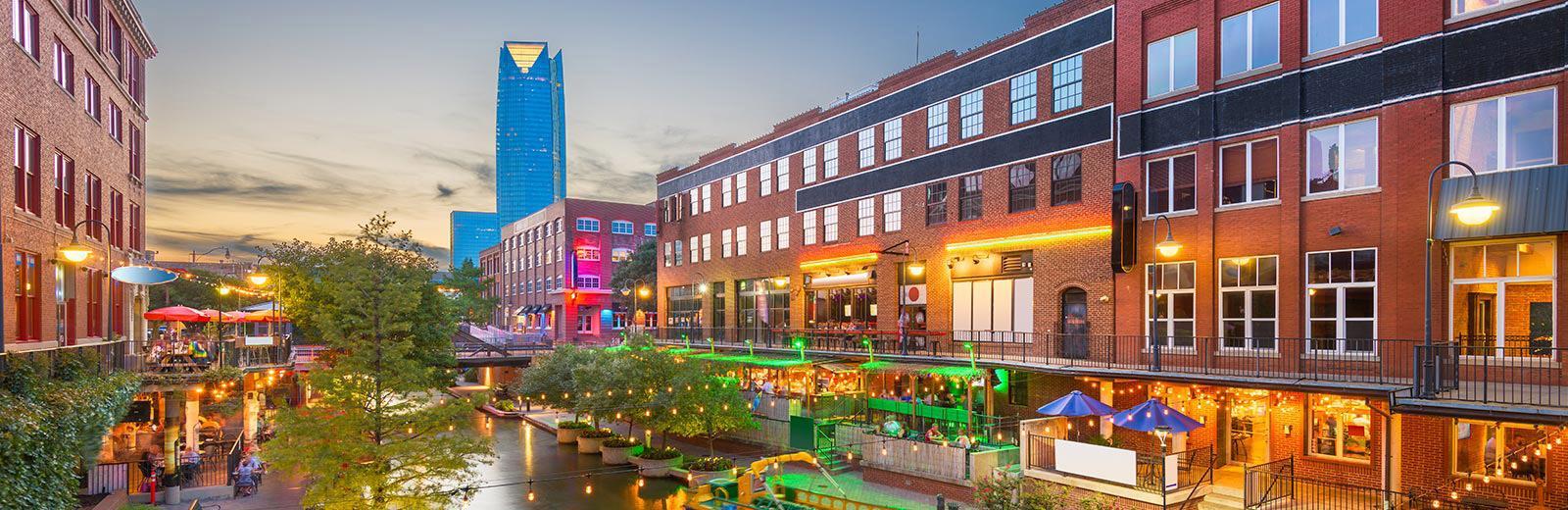
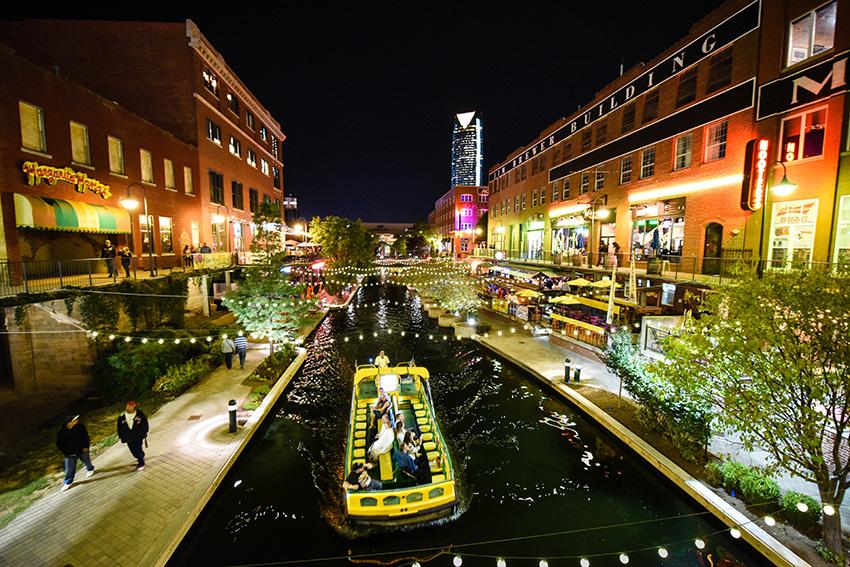
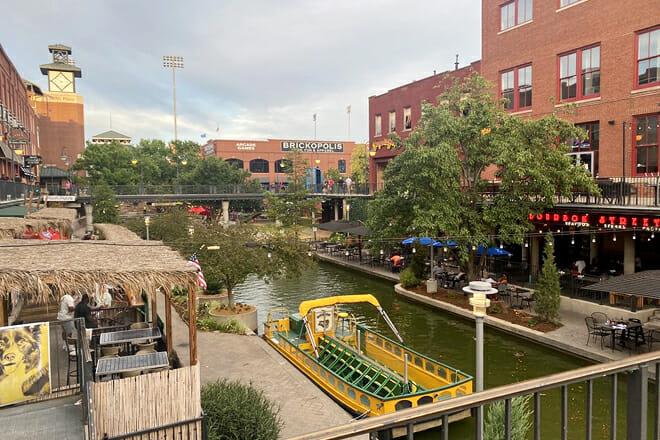
Moreover, the vibrancy of Oklahoma's culture and arts scene adds a colorful dimension to our exploration. From the bustling energy of the Oklahoma City Bricktown Entertainment District to the art galleries and music venues of Tulsa's Brady Arts District, each city pulsates with creativity and a thriving cultural scene.
Culinary enthusiasts are in for a treat, as Oklahoma serves up a tantalizing blend of flavors. Whether it's savoring authentic barbecue in Shawnee or indulging in delicious comfort food in small-town diners, the state's cuisine mirrors its rich heritage and diverse influences.
As someone passionate about uncovering unique destinations, Oklahoma has captured my heart—a place where the spirit of the West meets modern sophistication, where history intertwines with natural beauty, and where each town tells a story waiting to be explored.